Loading...
Serving Santa Rosa, CA and surrounding areas. (707) 867-4942
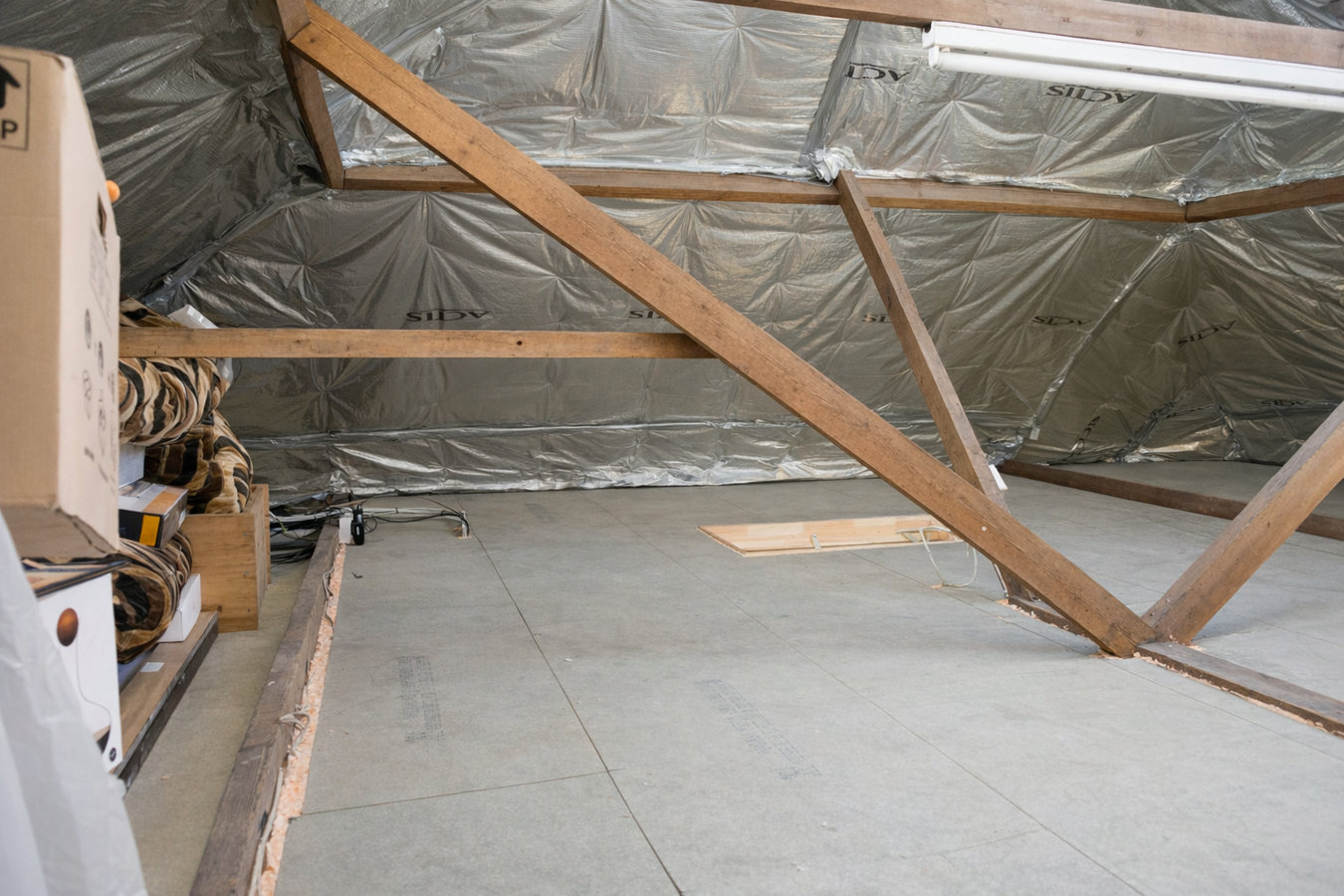
Santa Rosa Insulation installs attic insulation for Santa Rosa homeowners whose current material has settled, compressed, or never met current energy standards. We measure what is there, seal the gaps first, and bring your attic up to the R-value your climate zone requires.
In most Santa Rosa homes, the attic is responsible for the largest single source of heat gain in summer and heat loss in winter. Heat moves through thin or missing insulation by conduction, forcing your air conditioner and heater to run longer than they should. The result is high energy bills and rooms that never quite reach the temperature you set on the thermostat.
Most homes built before 1980 in Santa Rosa have attic insulation that was installed under energy standards that have been superseded several times since. The material that was sufficient in 1965 is not remotely adequate today. Even insulation added in the 1990s may have settled and compressed to a fraction of its original thickness.
We also pair attic insulation with attic air sealing as a standard part of every job - because adding insulation without closing the gaps underneath it leaves your home still leaky.
Shine a light into your attic hatch. If the wooden beams running across the floor are visible above the insulation, you are below minimum recommended levels for Northern California. Properly insulated attics have the joists buried under several inches of material.
If your bill spikes in July and again in January without changes to your thermostat habits, the attic is the most common culprit. Heat moves freely through thin insulation in both directions - in during summer, out during winter.
A room that bakes in July or never warms up in January usually indicates thin or missing coverage in the attic above it. Blown-in insulation fills the thin spots near eaves and around irregular framing that batt insulation misses.
Homes built in Santa Rosa before the mid-1980s were constructed under energy codes that required far less insulation than current standards. If yours has never had an attic upgrade, there is a good chance the original material has also compressed and lost most of its rated R-value.
We respond within one business day. We will ask about your home's age and what you have been noticing - high bills, uncomfortable rooms, or a visible gap in attic coverage. This helps us prepare for the assessment.
We go into your attic - not just the hatch - and measure the existing depth and condition. We check for moisture, pest damage, and air gaps. You receive a written estimate before we schedule any work.
We seal gaps around light fixtures, pipes, and wall tops before any material is added. Then we blow insulation to the confirmed target depth. Most single-story Santa Rosa homes are complete in one day.
We take photos inside the attic and provide written confirmation of the material type and depth installed. Keep this paperwork - it matters for rebate filing and future home sales.
Free in-home assessment. We measure your existing insulation and tell you exactly what your home needs before recommending anything.
(707) 867-4942Santa Rosa sits in California Climate Zone 3, where the Department of Energy recommends R-38 to R-60 for attics. Most homes built before 1980 fall well short of that target, and many homeowners do not realize how far below the threshold they are until a contractor measures it. The city's combination of hot summers and cool, wet winters means a poorly insulated attic costs you money in every season.
The wildfire smoke concern is also real here. During Sonoma County smoke events, smoke enters homes through gaps in the attic - around recessed lights, along wall tops, and through every unsealed penetration. Sealing those gaps before adding insulation reduces smoke infiltration significantly. Homeowners in Rohnert Park and Cotati face the same older-housing-stock conditions and routinely see meaningful improvements after a proper attic upgrade.
Call or submit a message and we will get back to you within one business day. Free assessment, no obligation.