
Loading...
Serving Santa Rosa, CA and surrounding areas. (707) 867-4942
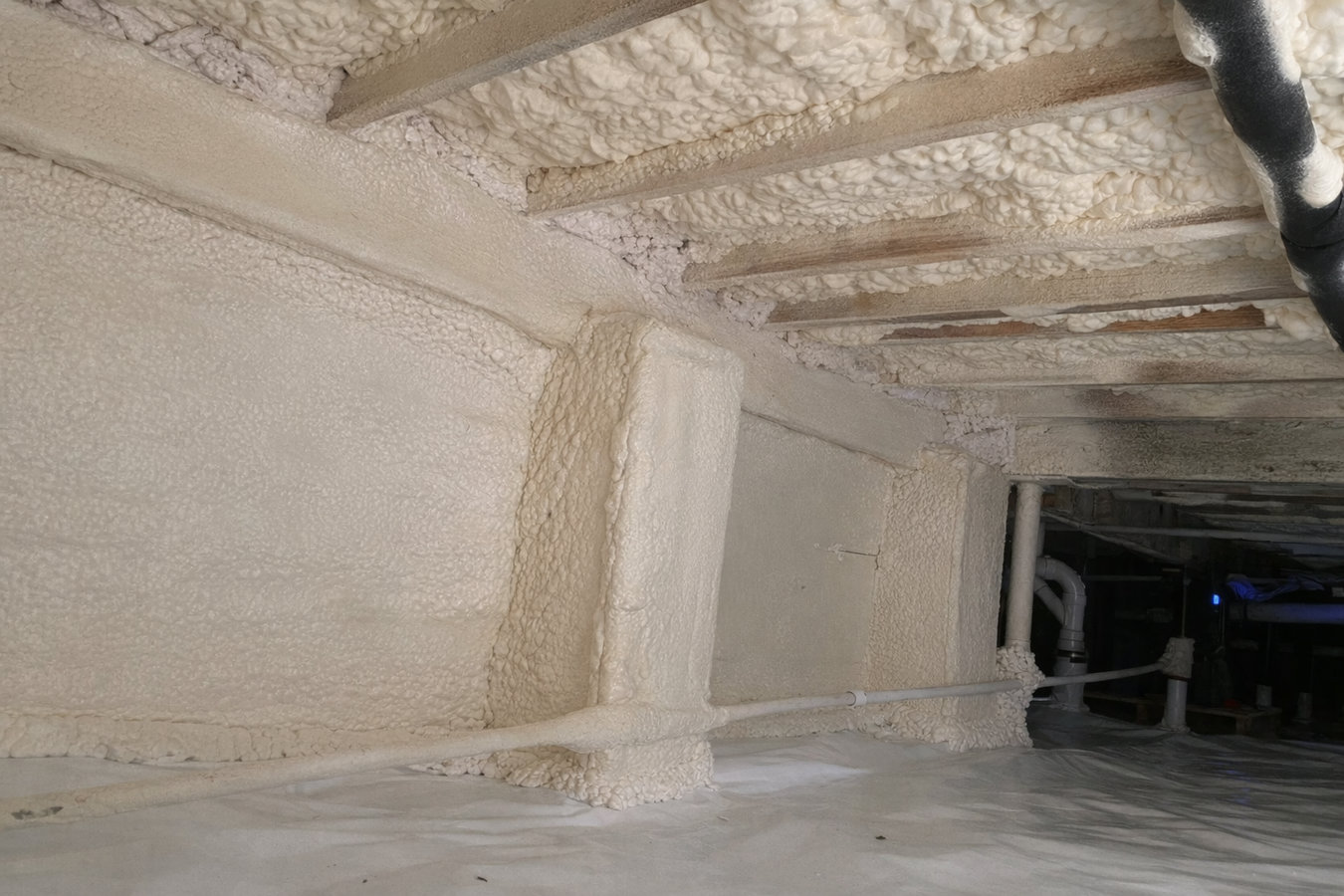
Cold floors and high winter heating bills in Santa Rosa homes often trace directly to an uninsulated or deteriorated crawl space. Santa Rosa Insulationassesses what is actually down there, removes damaged material, and installs the right solution for Sonoma County's wet climate.
Insulation in your crawl space acts as a thermal barrier between the cold ground beneath your home and the living floors above it. Without it, cold air and moisture from the soil seep upward - making floors uncomfortable and forcing your heating system to work harder every winter. For Santa Rosa homes, which receive around 30 inches of rain per year concentrated between November and March, moisture control is as important as the insulation itself.
Much of Santa Rosa's housing stock was built between the 1950s and the 1980s - a period when crawl space insulation was minimal or nonexistent by today's standards. Neighborhoods like McDonald Avenue, Proctor Terrace, and the Junior College area are particularly likely to have outdated or degraded material. If your home was built before 1990 and has never had the crawl space addressed, what is down there has probably deteriorated significantly.
A proper crawl space job pairs well with vapor barrier installation - the two together stop moisture from reaching floor framing and eliminate the musty odors wet Santa Rosa winters create in unprotected spaces.
If your kitchen or living room floor feels cold even with the heat on during Sonoma County winters, that is a strong sign that little or no insulation separates your floor from the crawl space below. Nighttime temperatures in Santa Rosa regularly drop into the low 40s from December through February - cold enough to make an uninsulated floor uncomfortable even in a mild winter.
A musty odor from floor vents or heating registers is often a sign that moisture has built up in the crawl space below. In Santa Rosa, the wet season runs from November through April, and sustained rainfall saturates the soil under homes and pushes damp air upward. If the smell gets worse after rain or in the morning, that is a particularly telling sign.
Roof rats and mice are common throughout Sonoma County, and the crawl space is one of their favorite entry points and nesting areas. If you have seen droppings near the crawl space hatch, heard scratching under the floor, or had a pest inspector confirm rodent activity, there is a very good chance your existing insulation has been damaged or contaminated and needs to come out before new material goes in.
If you bought your Santa Rosa home and cannot find any record of crawl space work being done - no permits, no receipts, no mention in the home inspection - and the house is more than 25 years old, it is worth having a contractor take a look. Many homeowners are surprised to find that the insulation in their crawl space is original to the house, has been sitting in damp conditions for decades, and is doing almost nothing at this point.
Every job starts with a physical inspection of your crawl space - we go in, look at what is there, check for moisture and pest activity, and photograph the conditions before making any recommendation. A written estimate with costs broken out by scope follows before any work is scheduled.
We also pair crawl space insulation with wall insulation assessments for homeowners who want to address the full building envelope at the same time. California's Title 24 energy standards set minimum performance levels for both areas.
Fiberglass batts installed between floor joists in vented crawl spaces - the most common approach for Santa Rosa homes with adequate moisture control already in place.
Thick plastic sheeting covering the crawl space floor that stops ground moisture from rising into floor framing - essential for Sonoma County homes with wet seasonal conditions.
When existing material is wet, sagging, or pest-contaminated, we remove it completely before installing new insulation. Installing over damaged material is one of the most common ways crawl space jobs underperform.
For homes with significant moisture problems, sealing and conditioning the entire crawl space - walls, floor, and vents - creates a controlled environment that eliminates the seasonal moisture cycle.
We respond within one business day. We will ask your home's age, whether you have noticed any specific problems like moisture or pests, and where the crawl space access is located. This helps us arrive prepared.
A crew member enters your crawl space and assesses the condition of existing insulation, signs of moisture or mold, pest activity, and the overall layout. This visit takes 30 to 60 minutes and includes photos. We walk you through what we found before we leave.
You receive a written estimate that breaks down what work is recommended, what materials will be used, and the total cost. If old insulation needs to come out, that is listed as a separate line item so you can see exactly what you are paying for.
We complete the work, confirm the crawl space hatch is properly sealed, and walk you through the finished installation with photos. We provide documentation you can keep for rebate applications and future home sales.
Free on-site assessment. We go into your crawl space, show you what is there, and give you a written estimate before recommending any work.
(707) 867-4942Free assessment, written estimate, no obligation. We respond within one business day.