Loading...
Serving Santa Rosa, CA and surrounding areas. (707) 867-4942
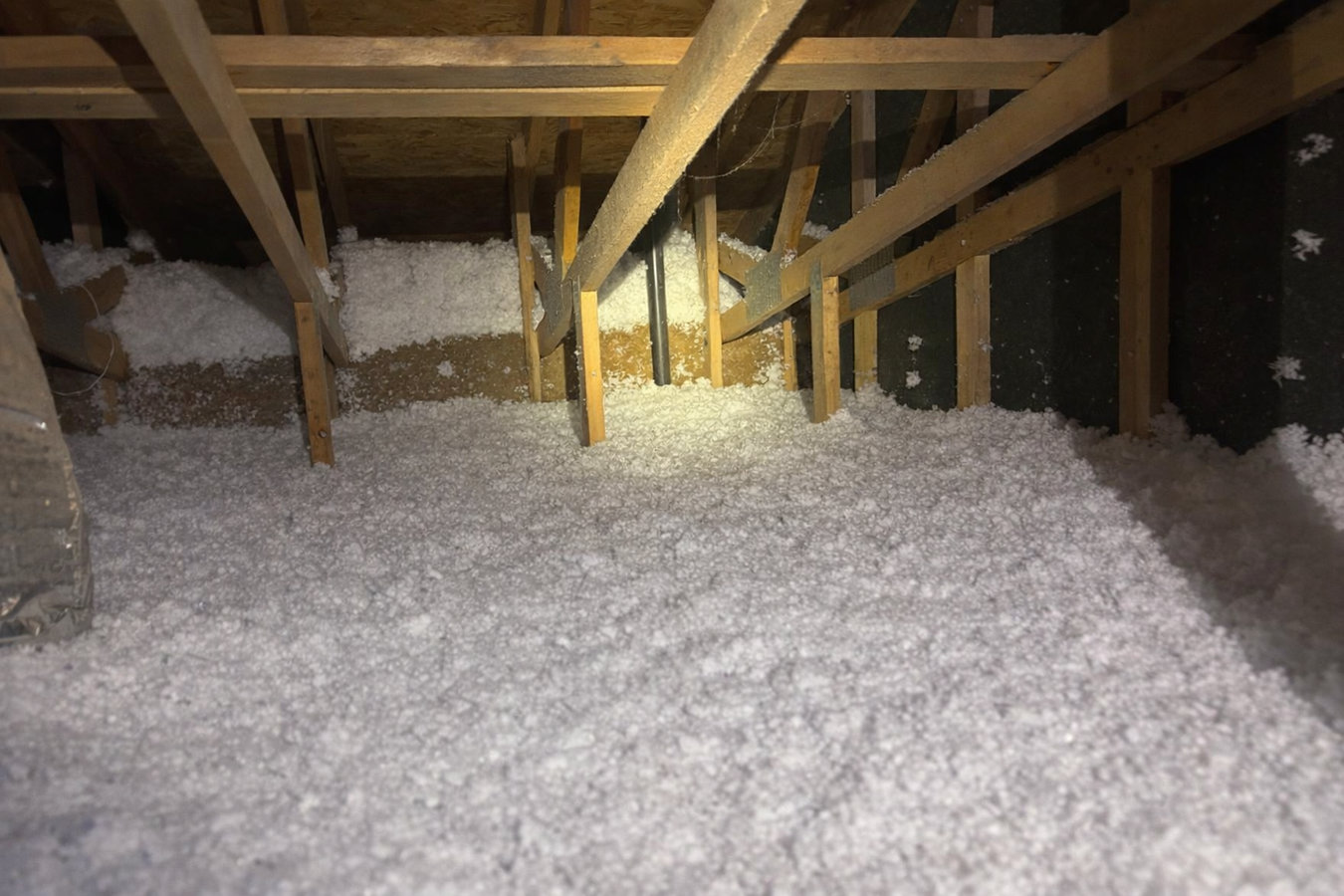
Loose-fill insulation pumped directly into your attic fills every corner and odd-shaped space that batt-style insulation misses - bringing your home up to recommended R-values and making a real dent in your PG&E bill.
Blown-in insulation in Santa Rosa uses a large hose to pump loose fiberglass or cellulose material into your attic, filling gaps and odd-shaped spaces that rigid batts cannot reach - most attic jobs on a single-story home are completed in two to four hours.
Many Santa Rosa homes built in the 1950s, 60s, and 70s still have their original insulation - thin, compressed material that was never enough to begin with. If your PG&E bill climbs every summer and your upstairs rooms never quite cool down, your attic is likely the reason.
Blown-in material works especially well alongside a full home insulation assessment, so every part of the building envelope is addressed at once.
If your electricity bill rises every summer despite no changes in how you use your home, your attic is one of the first places to look. Heat pushes through an under-insulated ceiling and forces your air conditioner to run nearly non-stop. Santa Rosa's hot, dry summers make this pattern very common in older homes.
Shine a flashlight into your attic hatch. If the wooden beams running across the floor are clearly visible, your insulation is too thin. A properly insulated attic in California's climate zone should have the joists buried under several inches of material - you should not be able to make them out at all.
A bedroom that bakes in July or a room that never warms up in January often points directly to uneven attic coverage. Blown-in material fills in the thin spots that batts leave near eaves, pipes, and odd-shaped corners - the exact areas most likely to cause hot or cold zones in the rooms below.
Santa Rosa homeowners near the Tubbs or Kincade fire areas sometimes notice a faint smoke smell that returns each summer when the attic heats up. Smoke particles trapped in old insulation can linger for years. If you've experienced this, the insulation likely needs to come out - not just be covered over.
We offer blown-in insulation for attics and enclosed wall cavities throughout Santa Rosa and Sonoma County. Every job starts with an honest assessment of what is currently in your attic, how thick it is, and whether any air-sealing work is needed before material goes in. If your attic has moisture damage or pest contamination, we will show you before recommending removal. We also offer a complete home insulation review if you want to address walls and other areas at the same time.
For homes where insulation has settled or deteriorated over decades, we can add material on top of existing insulation when the base layer is still in good condition, or complete a full removal and reinstall if it is not. We also pair blown-in work with wall insulation using dense-pack techniques that get material into closed wall cavities without tearing out drywall.
Best for homeowners who want to bring attic R-values up to current standards quickly and affordably, with minimal disruption to the home.
Suits older homes with empty wall cavities where adding insulation without opening up drywall is a priority.
Ideal when current attic material is in good condition but simply too thin - we add depth without a full removal.
Necessary when existing insulation is contaminated, damaged by moisture, or too deteriorated to build on top of effectively.
Santa Rosa sits in California Climate Zone 3, where summer afternoons push into the 90s and winter nights drop into the 30s. That kind of year-round thermal stress means a poorly insulated attic costs you money in both seasons - not just in January. The city also has one of the largest concentrations of homes built between 1950 and 1980 in Sonoma County, many of which have never had their original insulation upgraded. Neighborhoods like McDonald Avenue and Proctor Terrace are full of homes with original or near-original attic material that has compressed to a fraction of its starting thickness.
The 2017 Tubbs Fire also created a split in the local housing stock: rebuilt homes in areas like Coffey Park meet current California energy code, while surviving homes nearby may be 40 or 50 years behind those standards. If you are in Rohnert Park or Petaluma, the same patterns apply - older post-war homes dominate the housing stock, and most have never seen an insulation upgrade.
We respond within one business day. We will ask a few quick questions about your home's age and what is prompting the call - this helps us prepare for the assessment visit rather than arriving blind.
We physically go into your attic - not just look from the hatch. We measure what is there, check for air gaps, and note any moisture or pest issues. You get a clear picture of what your home needs before we quote anything.
Your quote breaks out air-sealing, material, labor, and any removal costs separately. No lump-sum surprises. We also flag any PG&E rebates or federal tax credits your project qualifies for at this stage.
The crew air-seals first, then blows in material to the confirmed target depth. Before leaving, we show you photos from inside the attic and document the final depth - paperwork you will want for rebate filing and future home sales.
Free estimate, no pressure. We respond within one business day and explain everything before work starts.
(707) 867-4942Skipping air-sealing before blowing insulation is the most common shortcut in the trade. We air-seal every attic before material goes in - no extra charge, no negotiating. Ask any other contractor the same question and compare their answer.
We have worked on the full range of Santa Rosa homes - 1950s ranch-styles in older neighborhoods, post-fire rebuilds in Coffey Park, and everything in between. That local knowledge affects how we approach each attic, because not every home is the same.
We photograph your attic before we start and after we finish. You see exactly what we found and exactly what was done. This documentation also matters if you file for a PG&E rebate or claim the federal home improvement tax credit.
California requires installed insulation to meet state R-value standards. We provide written certification of the material type and final depth achieved - useful for permit records, rebate paperwork, and future buyers who ask for documentation.
Every one of these details matters when you are spending money on a project that should last two to three decades. We do the work right the first time so you are not calling someone back to fix it.
A full-home assessment that looks at attic, walls, and floors together - so no gap gets missed.
Learn MoreDense-pack blown-in for closed wall cavities in older homes, no drywall removal required.
Learn MoreSanta Rosa summers are coming. Call now or send us a message and we will get back to you within one business day.